Upgrading your kitchen plumbing requires a thorough approach to improve both functionality and aesthetics. Start by evaluating existing pipe materials to address potential health risks from outdated pipes. Verify that plumbing systems comply with local codes and can handle modern kitchen demands. Selecting modern fixtures involves harmonizing design with durability, opting for finishes like brushed nickel or matte black. Enhancing water efficiency can be achieved through technologies such as low-flow faucets and advanced dishwashers. To improve water pressure, consider pipe sizing and installation of pressure regulators. Confirm proper drainage by utilizing durable materials and advanced solutions, revealing further details intricately connected.
Key Takeaways
- Evaluate existing pipes for condition, compatibility, and compliance with local plumbing codes to ensure safe and efficient upgrades. Select modern fixtures that match the kitchen's design theme and offer durable, stylish finishes like brushed nickel or matte black. Install water-efficient features like low-flow faucets and dual-flush toilets to reduce water usage and improve sustainability. Address water pressure issues by choosing proper pipe sizing and installing pressure regulators for consistent flow and reliability. Implement durable drainage solutions with materials like PVC or ABS, and include advanced systems to prevent blockages and odors.
Assessing Your Current Plumbing
Before starting the journey of upgrading your kitchen plumbing, it is essential to conduct a thorough evaluation of your current system. This evaluation involves examining the existing pipe materials to determine their condition and compatibility with modern standards. Older homes may have pipes made of galvanized steel or lead, which can corrode or pose health risks, respectively.
Upgrading to modern materials such as PEX or copper not only improves water quality but also enhances durability and efficiency.
It is also vital to verify that your current plumbing setup complies with local plumbing codes. These regulations are designed to safeguard water quality and prevent issues such as backflow and leaks. Reviewing these codes will help identify any discrepancies between your existing system and the required standards.
Non-compliance may result in costly fines or complications when selling the property.
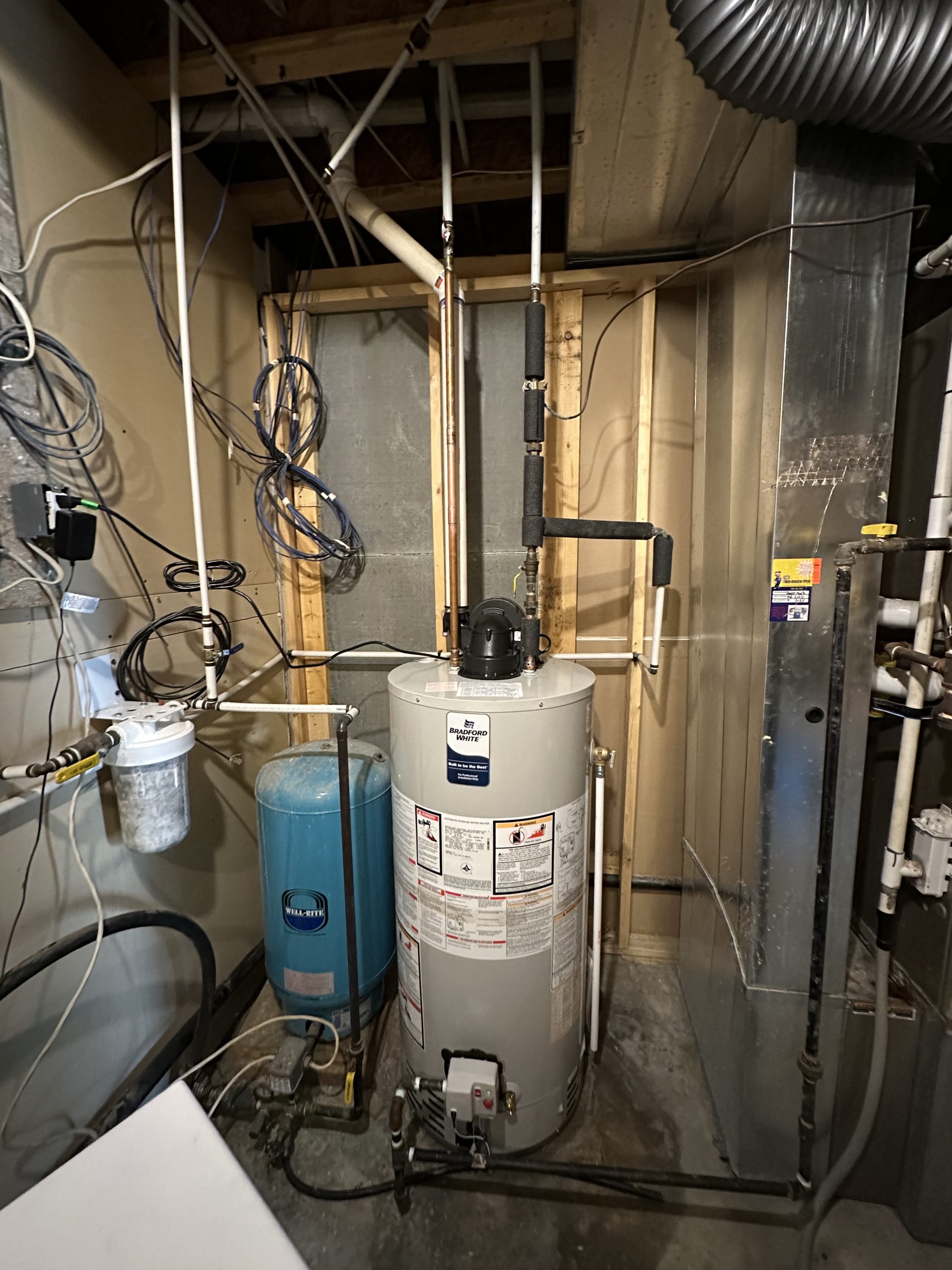
Moreover, consider the capacity of your current plumbing system. An outdated design may not support the increased demands of modern kitchens, leading to reduced performance or frequent repairs.
Evaluating your existing infrastructure, including pipe diameter and routing, will help in planning an effective upgrade that aligns with both functional needs and regulatory requirements.
Choosing Modern Fixtures
When considering the selection of modern fixtures for your kitchen, how can you guarantee both functionality and aesthetic appeal? The right choice of trendy faucets and stylish sinks can seamlessly enhance the overall design of your culinary space.
Start by evaluating the faucet styles that align with your kitchen's theme. Sleek, minimalistic designs are currently in vogue, offering clean lines and a contemporary feel. Opt for finishes like brushed nickel or matte black, which not only add a touch of sophistication but also resist fingerprints and water spots, ensuring easy maintenance.
Equally important is the selection of stylish sinks, which serve as a focal point in the kitchen. Undermount sinks provide a seamless look and facilitate effortless cleaning, as crumbs and spills can be wiped directly into the sink.
Alternatively, consider an apron-front sink for a more rustic appeal, which has gained popularity in modern kitchen designs. Materials such as stainless steel or fireclay are durable and versatile, fitting a wide range of aesthetic preferences.
Ultimately, the key lies in harmonizing your fixtures with the kitchen's overall design, ensuring that functionality does not overshadow the visual allure. Thoughtfully selected fixtures can elevate both the efficiency and elegance of your modern kitchen.
Enhancing Water Efficiency
Ensuring ideal water efficiency in your modern kitchen involves integrating advanced technologies and sustainable practices. By adopting water saving technologies, you can considerably reduce water wastage without compromising performance.
For instance, installing low-flow faucets and aerators can cut water usage by up to 50%, while maintaining adequate flow for everyday tasks. Similarly, dual-flush toilets offer a practical solution for reducing water consumption by providing options for partial or full flushes.
" width="560" height="315" frameborder="0" allowfullscreen>
Incorporating eco friendly materials into your plumbing system is another effective strategy. Opt for materials like PEX piping, which not only require less energy to produce but also improve thermal efficiency, reducing heat loss.
This can result in lower energy consumption for heating water, further enhancing the kitchen's overall sustainability.
Additionally, advanced dishwashers equipped with sensor technology can automatically adjust water usage based on the load, ensuring that no more water is used than necessary.
Improving Water Pressure
Achieving ideal water pressure in a modern kitchen is vital for both functionality and convenience. Inadequate water pressure can hinder everyday tasks, such as washing dishes or filling pots, while excessive pressure can cause damage to fixtures and appliances.
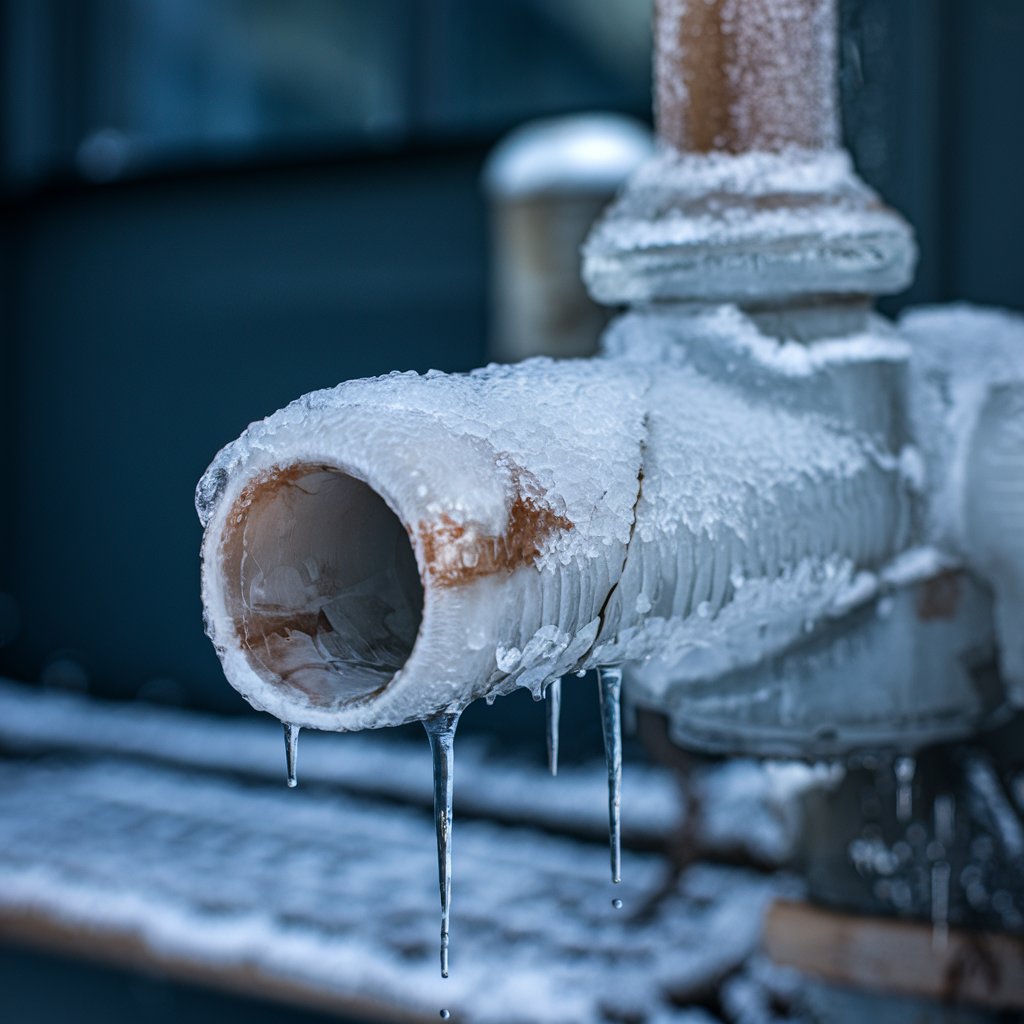
To address this, one must consider the important role of pipe sizing and the installation of pressure regulators.
Pipe sizing is fundamental in determining water pressure. Pipes that are too narrow can restrict water flow, leading to reduced pressure, whereas pipes that are too wide may cause an imbalance, affecting the overall system efficiency.
It is essential to select the appropriate pipe diameter based on your kitchen's specific needs and the building's overall hydraulic design. Consulting with a professional plumber can guarantee that the correct pipe sizes are chosen and installed.
Furthermore, pressure regulators are indispensable tools for maintaining consistent water pressure. These devices automatically adjust the water pressure entering the kitchen, safeguarding against fluctuations that might occur due to external factors.
Proper installation and calibration of pressure regulators can prevent potential issues such as leaks or bursts, thereby enhancing the longevity and reliability of your kitchen plumbing system.
Ensuring Proper Drainage
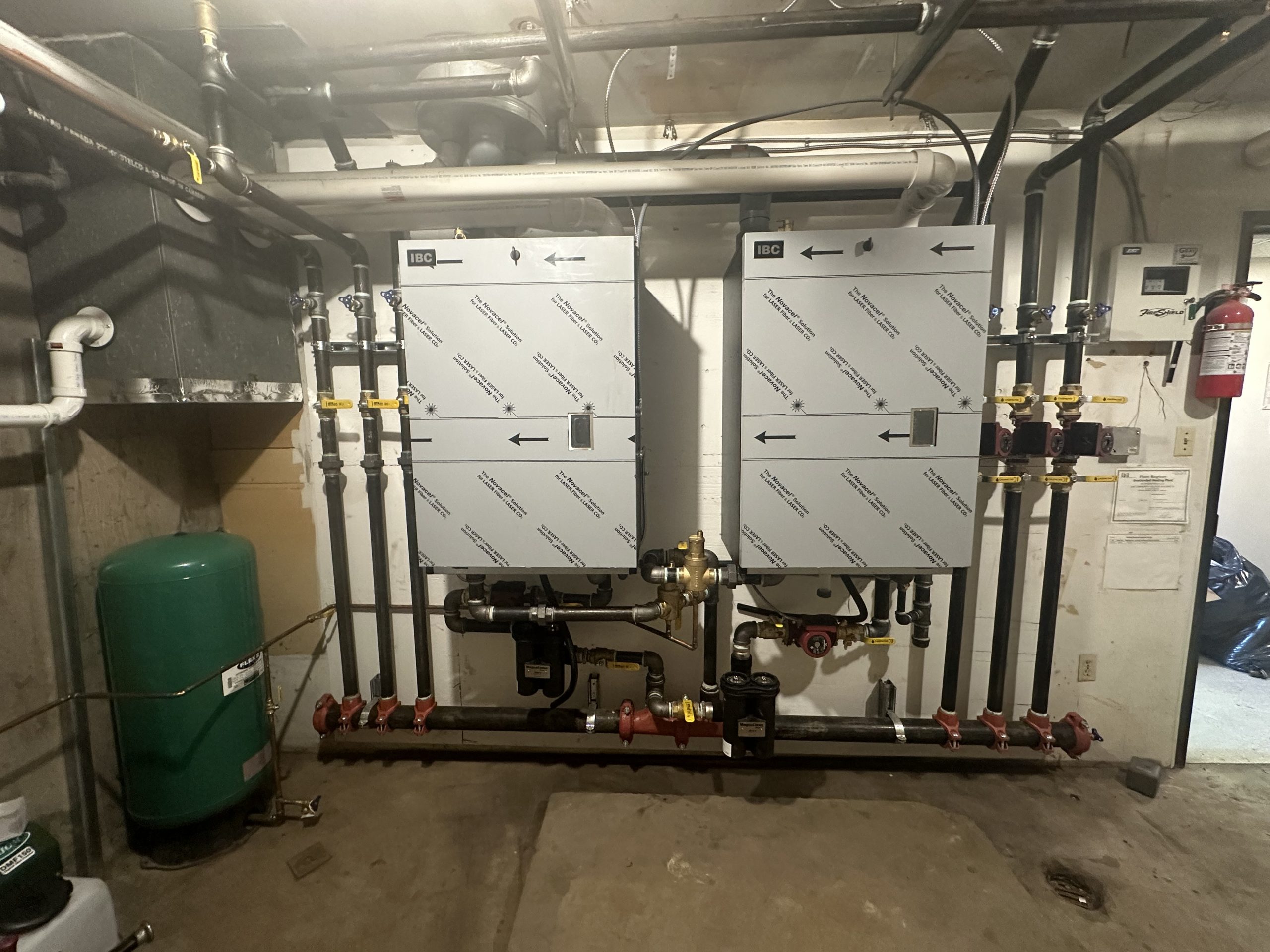
Proper drainage in a modern kitchen is vital for maintaining hygiene and preventing water-related damage. Efficient drainage solutions not only enhance the kitchen's functionality but also prolong the life of your plumbing system. Selecting the appropriate pipe materials is essential to guarantee a robust and reliable drainage system. Modern kitchens often employ PVC or ABS pipes, known for their durability and resistance to corrosion. Each material has its distinct advantages and applications, which are important to take into account when upgrading your kitchen plumbing.
| Pipe Material | Advantages | |---------------|---------------------------------| | PVC | Lightweight, resistant to rust | | ABS | Strong, suitable for colder climates | | Copper | Long-lasting, withstands high temperatures |
PVC pipes are popular for their lightweight nature and cost-effectiveness, making them a preferred choice for many homeowners. However, ABS pipes are more suitable for colder climates due to their strength and resilience. Copper pipes, while more expensive, offer longevity and can withstand high temperatures, making them ideal for areas with hot water drainage needs.
Incorporating advanced drainage solutions like grease traps and proper venting systems can further optimize the kitchen's efficiency. These components help prevent blockages and odors, guaranteeing a smooth and uninterrupted water flow throughout the kitchen, ultimately leading to a cleaner and more efficient cooking environment.
Conclusion
In upgrading plumbing for a modern kitchen, consider the symphony of https://tmkplumbing.ca/hvac/ductwork-installation-and-repair/ elements—each essential in its role. Thorough assessment of existing plumbing, coupled with the selection of contemporary fixtures, lays the groundwork. Enhancing water efficiency and pressure contributes greatly to functionality, while ensuring proper drainage prevents potential pitfalls. This harmonious integration not only elevates the kitchen's aesthetic appeal but also improves overall performance, reflecting a well-orchestrated balance between innovation and practicality in modern home design.